
Small Stages, Grand Stories: Printable Paper Theater Kits for Classic Fairy Tales

Today we dive into printable paper theater kits for classic fairy tales, inviting you to transform simple sheets into miniature stages where familiar characters leap to life. With a home printer, scissors, glue, and imagination, families, educators, and storytellers can rehearse, perform, and relive timeless narratives while nurturing creativity, dexterity, reading fluency, and collaborative joy around a cozy tabletop theater experience.

Getting Started: From Download to First Curtain Call
Selecting the Right Kit for Your Audience

Consider age range, attention span, print capacity, and desired tale length when picking a kit. Some collections favor quick, low-ink scenes, while others deliver layered backdrops and intricate props. Choose clear instructions, scalable PDFs, and versions that match your group’s skills, printer reliability, and preferred storytelling pace.

Printing, Paper Weights, and Color Choices

Use 160–220 gsm cardstock for durable sets, reserving lighter paper for overlays and movable parts. Test a single page to check color balance and registration. Inkjet users should prefer matte coatings; laser printers excel with sharp lines. Calibrate scaling to avoid clipping borders and preserve tabs for clean, strong joins.

Tools, Safety, and Workspace Setup

Gather a craft knife, fine scissors, metal ruler, cutting mat, glue stick, tacky glue, and a scoring tool for crisp folds. Set a bright, clutter-free workspace with a drying area. For kids, use rounded scissors, supervise blade work, and stage clear, predictable steps to manage excitement and maintain safety.

Animating Classics: Performance Tips That Spark Wonder
Once the stage stands, performance techniques animate characters beyond paper. Simple voice shifts, confident pacing, and thoughtful movement captivate audiences. These easy practices turn bedside stories into living scenes, encouraging shy readers to speak up and experienced narrators to explore new rhythms, pauses, and expressive vocal textures that delight listeners.

Comprehension, Sequencing, and Vocabulary Growth

Assign roles like narrator, stage manager, and prop lead to foster responsibility and focus. Students map scenes, track character motivations, and define unfamiliar words through performance. Retelling events with puppets reinforces sequence recall, while dialogue practice deepens understanding of cause, effect, and moral lessons woven into familiar fairy-tale arcs.

Cultural Context and Story Variants Across the World

Compare versions of Cinderella, Beauty and the Beast, or Little Red Riding Hood from different regions. Discuss symbolism, historical settings, and evolving values. Create alternate props that honor diverse traditions and costumes. Performing variants side by side reveals how stories adapt, reflecting community voices while preserving shared archetypes and enduring hopes.

STEAM Connections: Design, Measurement, and Engineering

Students calculate scaling percentages when resizing PDFs, measure tabs, and test structural stability with braces. Paper engineering concepts—hinges, slots, gussets, and folds—introduce real-world design thinking. Prototyping teaches iteration: refine silhouettes, rebalance weights, and analyze failure points until backdrops stand straight and moving parts glide reliably every single time.
Customize the Magic: Colors, Props, and Personal Touches

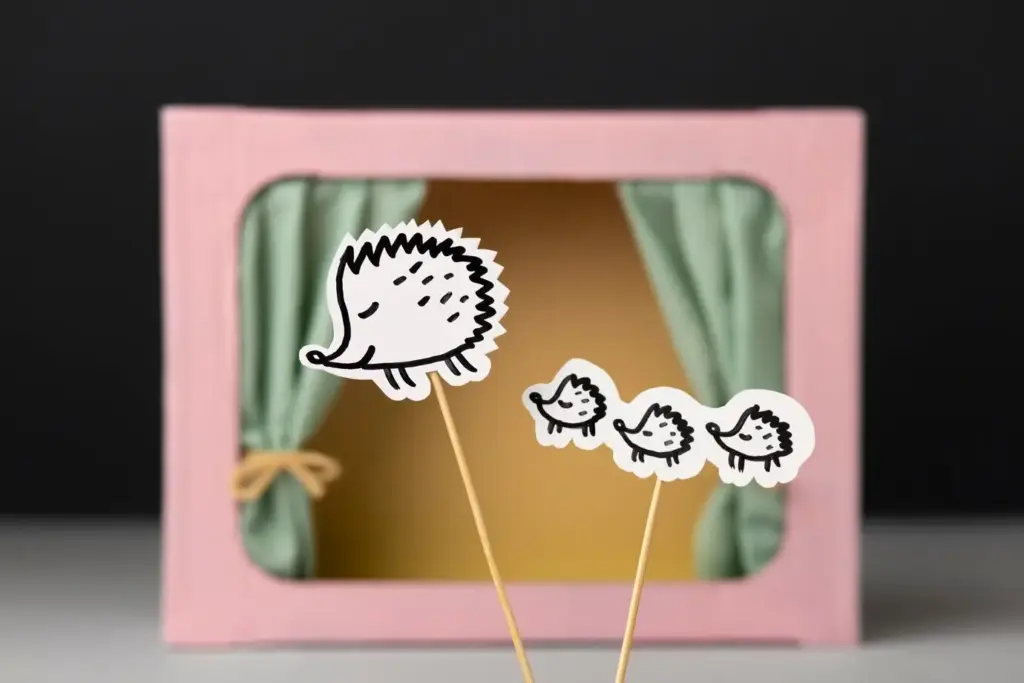
Your kits serve as a foundation, but personalization makes performances unforgettable. Tailor palettes, add textures, and craft unique props that nod to local landmarks or family jokes. Adjust scene order, devise musical cues, and incorporate audience participation to transform well-known narratives into distinctive, heartfelt experiences worth revisiting and sharing.
Blend colored pencils for gradients, layer markers for depth, and add pastel highlights for soft glows. Glue fabric scraps, ribbon trims, or metallic foil to catch light. Lightly ink edges for dimension. Use sparing glitter to prevent shedding. These subtle touches create richness without overwhelming delicate lines and registration marks.
Use print dialog scaling for smaller or larger stages, ensuring proportions remain consistent across parts. Tile oversize backdrops with overlap for seamless assembly. Mirror elements to create reversible props. Keep a labeled parts tray to avoid confusion. Saving a master print profile preserves predictable color and line quality over time.

Community Spotlight: Host a Paper Theater Night
Turn living rooms, libraries, or classrooms into joyful playhouses. Rotate storytellers, share backstage tips, and celebrate craftsmanship with mini exhibitions. Snacks, music, and simple programs set the mood, while collaborative applause strengthens bonds, builds confidence, and invites hesitant performers to step forward for a bright, encouraging moment under paper lights.

Care, Storage, and Reuse: Keep Your Stage Ready

Well-loved kits deserve gentle handling and smart storage. Simple reinforcements extend life without altering charm. Organized envelopes and boxes protect small pieces, while repair strategies prevent tiny tears from escalating. Sustainable choices reduce waste, letting every cast return for encore performances without reprinting entire sets or exhausting valuable supplies prematurely.
Pufatuzenixovuxifo
Privacy Overview

This website uses cookies so that we can provide you with the best user experience possible. Cookie information is stored in your browser and performs functions such as recognising you when you return to our website and helping our team to understand which sections of the website you find most interesting and useful.