
Stop‑Motion Magic with Paper Theater Sets

Step behind miniature curtains and into a handmade world where light, layers, and patience turn still frames into living scenes. Today we explore stop‑motion animation workflows using paper theater sets, from sketching a color script to building sturdy stages, lighting delicately, animating confidently, and finishing with sound that breathes. Expect practical checklists, personal anecdotes, and field‑tested tricks that respect the fragility of paper while unlocking cinematic possibilities, whether you are crafting a one‑minute vignette or a festival short destined for curious audiences and enthusiastic collaborators.

From Sketch to Stage: Designing Paper Theater Worlds

Great motion begins with convincing spaces. Paper invites bold shapes and readable silhouettes, yet demands planning for folds, grain, and reinforcement. Start with thumbnail sketches, scale tests, and a color script that guides mood. Translate drawings into layered flats, arches, and modular backdrops that slot together quickly. Consider sightlines, matte openings for parallax, and discreet access points for hands or tweezers. Treat the stage like a real set: entrances, fly loft illusions, trapdoors, and places to hide magnets, weights, or tie‑downs that preserve the magic while surviving long shooting days.

Preproduction Flow: Story Beats, Boards, and Timing on Twos

Paper thrives when planning respects its limits. Outline intentions with a beat sheet that counts emotional turns, not just actions. Board shots that minimize hazardous reach and excessive prop resets. Build an animatic with temp sound to expose pacing flaws early. Prepare exposure sheets mapping frames, phonemes, eye blinks, and light cues. Decide when to shoot on twos for charm and endurance, and when ones are necessary for delicate reveals. Previsualize entrances using removable tabs. The more specific your map, the freer you’ll feel improvising delightful micro‑gestures safely on the day.

Beat Sheets that Respect Handmade Limitations

Write beats in verbs that translate to achievable moves: peek, tilt, slide, reveal. Replace risky cross‑stage sprints with clever wipes and layered panels that travel less distance. Cap scene lengths to protect set integrity and animator focus. Mark beats requiring replacement mouth shapes or alternate arms, pre‑bagging each labeled variation. Build a fatigue budget, scheduling meticulous shots immediately after breaks. Finally, list exit strategies for shots that refuse to behave—alternate angles, tighter crops, or story pivots that maintain narrative truth while honoring the reality that paper deserves patience, steady breath, and reasonable expectations.

Storyboard the Camera, Not Just the Action

Boards often describe character motion but forget how the lens participates. Draw arrows for pulls, pans, and racks; declare focal lengths; note height relative to the stage deck. Indicate foreground cards and matte windows, because their edges will dictate parallax. Add icons for flags, bounces, and practical lamps you intend to see in frame. These sketches become a social contract for your future self, saving hours of indecision when a delicate wall starts to curl. Good boards honor the theater, guiding choreography so every camera choice amplifies the charm of layered paper architecture.

Animatics and Exposure Sheets (X‑Sheets)

Cut boards to an animatic with temp foley—rustles, creaks, footsteps—and a scratch narration. Immediately you’ll hear dead air and discover beats begging for breath. Translate timing into X‑sheets, mapping frame counts, lighting cues, and replacement part calls. Mark holds, slow‑ins, and slow‑outs with frame numbers readable at a glance. If lip‑sync appears, sketch phoneme charts that fit the character’s mouth design. Shooting on twos at twenty‑four display frames means twelve captured frames per second; note exceptions for intricate business. Clear paperwork transforms marathon sessions into a calm sequence of achievable micro‑goals.

Lighting Tiny Stages for Cinematic Depth

Light is your invisible sculptor. Favor cool, stable LED fixtures with high CRI, placing diffusion to soften highlights that can crackle on glossy inks. Use negative fill to reclaim contrast without crushing fragile textures. Add practical bulbs made from micro LEDs behind vellum windows for believable glow. Mind the inverse‑square law; tiny distances make huge differences. Gel thoughtfully, then lock white balance forever. Flag spill so characters pop against carefully painted backdrops. Respect heat: protect adhesives, avoid warping, and pace breaks. Great lighting elevates paper from craft table charm to unmistakably cinematic storytelling power.

Cameras, Lenses, and Rigs that Keep Frames Rock‑Solid

A stable shot liberates performance. Mount the camera on a rigid copy stand or heavy tripod bolted to the table. Lock every joint and mark positions with tape. Choose lenses that minimize breathing and provide comfortable working distance; macro options reveal textures without crowding the set. Tether to capture software with onion‑skin overlays for precise increments. Shoot test charts to nail focus and defocus behavior across layers. Catalog rig photos and settings. The more you engineer stability up front, the more expressive your micro‑moves feel, free from distracting jitters that betray hours of careful craftsmanship.

Copy Stands, Tripods, and DIY Multiplane Rigs

For overhead shots, a copy stand with a counterweighted arm is kinder to wrists and steadier than a boom. Side‑on scenes love a sandbagged tripod on a separate platform decoupled from the table. To explore parallax, build a multiplane rig using stacked glass or acrylic sheets with felt‑lined supports. Mark each plane’s height and register corners. Keep a hex key, gaffer tape, and spare bolts within reach. Photograph every setup before moving anything. A disciplined hardware routine turns a cramped desk into a reliable miniature studio where mistakes are reversible and delightful experiments are encouraged.

Lens Choices, Focus Control, and Breathing Considerations

Prime lenses reduce mechanical play and simplify exposure. A 50–100mm macro on APS‑C or full frame offers flat field sharpness ideal for layered cards. Measure your working distance to avoid casting accidental shadows. Use manual focus with a geared rail for incremental pulls, and test focus breathing so composition remains stable during racks. Stop down enough for depth, but consider diffraction; balance with slight focus stacking if necessary. Mark focus points with tiny colored tabs on the stage edge. Precision transforms tentative pulls into purposeful storytelling beats that feel intentional rather than accidental.

Tethered Capture, Onion‑Skinning, and Frame Rates

Capture software like Dragonframe or Stop Motion Studio enables onion‑skin overlays, arc paths, and exposure control from the keyboard, limiting physical contact with the rig. Match frame rates to your endurance and style: shooting on twos at twenty‑four playback frames creates a classic cadence; switch to ones for glitter, water, or delicate reveals. Lock metadata templates so RAW processing remains consistent across days. Name takes with scene‑shot‑take conventions. Keep a frame counter visible in‑set for continuity. A clear, repeatable capture routine transforms long sessions into calm progress measured one satisfying click at a time.

Animating Characters, Props, and Parallax Illusions

Registration, Peg Bars, and Hidden Magnets

Borrow from traditional cut‑out animation with a peg bar and hole‑punched tabs to lock puppets and replacement parts. Embed thin magnets beneath the stage to anchor feet while enabling natural pivots. For walls and doors, use rare‑earth magnets paired with steel washers to create repeatable stops. Draw faint alignment ticks you’ll erase in cleanup. Store each character’s limbs in labeled sleeves to prevent color mixing. Registration saves hours in post and gives confidence to push performance further, because every return to a position actually returns, not almost returns, which is where jitter creeps in unnoticed.

Micro‑Moves, Easing, and Conveying Weight with Flat Cutouts

Convincing weight appears when timing respects inertia. Ease into motion with small increments, then stretch spacing mid‑move before settling with tiny after‑shifts. Rotate joints in arcs rather than sliding straight lines. For a heavy box, sink slightly before the lift to signal preparation. Introduce overlapping action in accessories—a paper scarf, a dangling tag—to enrich richness without chaos. Count aloud to stay consistent across takes. Review each few frames with onion‑skin and playblast. With patience, flat shapes project volume, and audiences feel mass and intention, even when the character is nothing more than delicately articulated cardstock.

Layered Depth, Racks, and Atmospheric Perspective

Create depth by placing foreground plants, midground actors, and distant landmarks on separate planes. Add tracing paper scrims and subtle chalk to simulate haze. Use narrow focus pulls to guide attention between planes, ensuring breathing is minimal so composition stays stable. Nudge foreground elements a millimeter per frame to exaggerate parallax during lateral moves. Paint distant layers cooler and less saturated. Inspired by multiplane traditions, this orchestration turns a shallow desk into an expansive stage. The result feels bigger than the materials, proving paper can hold sweeping vistas and tender close‑ups in the same production.

Sound, Editing, and Grade: Finishing with Personality

Sound completes the illusion. Record foley from paper varieties, cellophane, brushes, and soft wooden clicks for doors. Layer subtle room tone that matches the world’s imagined size. Edit with rhythmic respect for handmade beats. Clean frames in batches, deflicker gently, and remove tiny pins where needed without erasing texture. Grade to preserve fibers while shaping mood: a touch of grain unifies shots, slight vignettes protect focus. Export archival masters and lightweight socials. The final polish should celebrate evidence of hands, not hide it, inviting viewers closer with warmth, intimacy, and playful, crafted honesty.

Foley from Everyday Materials and Gentle Noise Shaping

Paper footsteps might be dry leaves, while a curtain becomes a scrunched bakery bag pulled gently. Capture close with a quiet condenser mic and a padded surface to tame harsh transients. Build layers, then sculpt with high‑pass filters and soft saturation. Keep dynamics intimate; miniature worlds benefit from detailed whispers rather than bombast. Use convolution reverbs with small rooms and short pre‑delays to suggest scale. Mix so that movement cues support, not distract. Iterating sound alongside picture unlocks emotional clarity, letting each rustle and creak align with the heartbeat of your carefully crafted performance.

Cleaning Frames, Removing Rigs, and Embracing Imperfection

Batch process RAWs for exposure and white balance consistency before entering compositing. Use dust‑busting paint strokes and clone tools for stray fibers, then track small rig removals frame by frame. When perfection demands hours, ask whether a slight pin shadow adds handmade charm worth keeping. Stabilize only enough to remove unintentional bumps, preserving organic micro‑breath. Leave subtle edge chatter if it supports energy. The goal is not sterile automation, but intentional presence where human choices remain visible. That authenticity is the signature collectors, festivals, and audiences remember long after a clever trick fades.

Color Management, Grain, and Delivery Formats

Lock a color space and monitor profile early so grades remain predictable across days. Keep skin‑tone proxies or neutral swatches on a hidden tab for reference. Add gentle film grain to knit layers together, but protect fine linework from crawling. Version exports for DCP, ProRes, and social verticals, reframing thoughtfully rather than cropping carelessly. Burn minimal captions for platforms that autoplay silently. Archive project files and original frames with clear folder structures. Responsible finishing respects both artistry and logistics, ensuring your paper world travels safely from studio desk to festivals, classrooms, and eager subscribers.

Troubleshooting, Workflow Hygiene, and Community
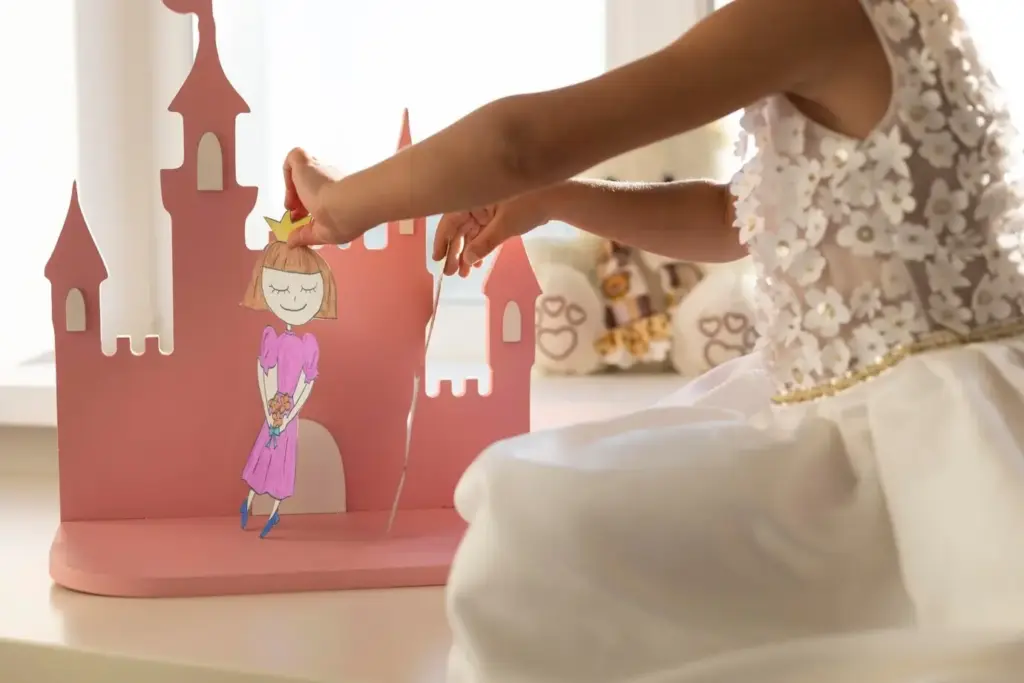
Sustainable practice turns one successful shot into a finished film. Control humidity with desiccants, rest warped pieces under glass, and rotate sets to avoid sun fade. Log every lighting and camera setting, then photograph rigs before breaks. Keep a repair kit ready: glue, magnets, spare joints, and swatches. When morale dips, schedule a tiny victory—an insert or cutaway—to regain momentum. Share behind‑the‑scenes snippets, invite feedback, and credit inspirations like silhouette pioneers who proved paper can carry epic stories. Collaboration and routine transform fragile materials into resilient storytelling partners you’ll trust across ambitious projects.
Pufatuzenixovuxifo
Privacy Overview

This website uses cookies so that we can provide you with the best user experience possible. Cookie information is stored in your browser and performs functions such as recognising you when you return to our website and helping our team to understand which sections of the website you find most interesting and useful.