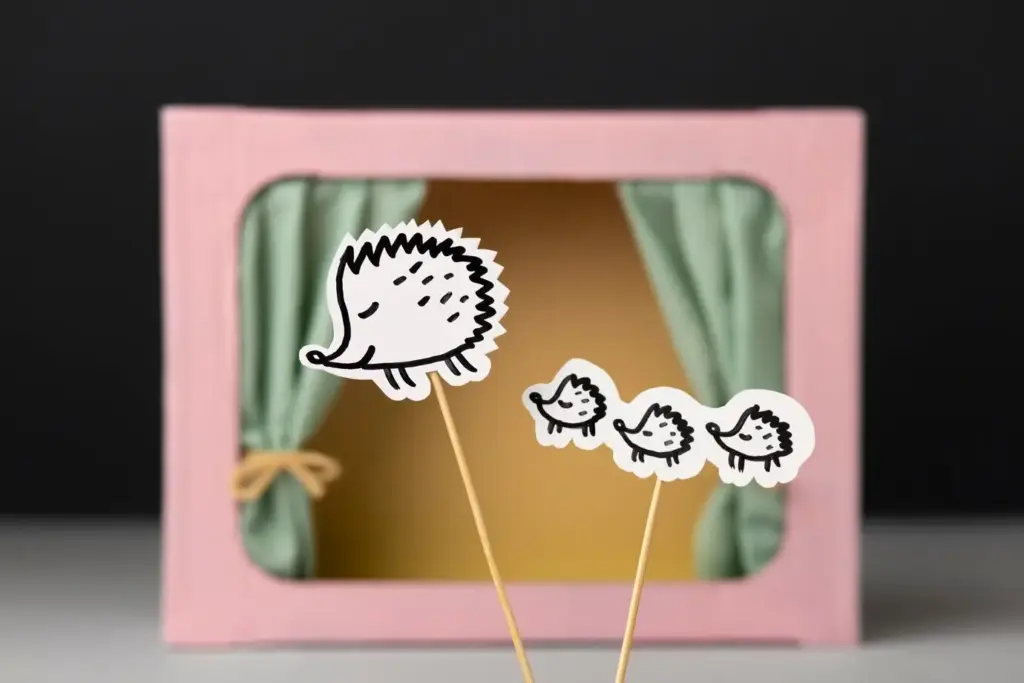
Tiny Stages, Monumental Imagination

Step into a world where paper, ink, and scissors conjure entire theaters. Today we journey through “From Toy Theaters to Today: A History of Paper Stagecraft,” tracing household stages, ingenious mechanics, and modern reinventions, while inviting you to reminisce, craft along, and share your own miniature curtain calls with our curious community.

Paper Dreams Take the Stage

Imagine a child carefully cutting out a proscenium, arranging tiny flats, and whispering cues to a sibling in the wings. That domestic ritual—half play, half production—helped budding artists grasp narrative rhythm, scenic continuity, and the joyful audacity of staging grand adventures with fragile, glorious paper.

Penny Plain, Twopence Coloured

Printers sold character sheets and scenery either uncolored or carefully hand-tinted, creating an accessible gateway for households of varied means. “Penny plain, twopence coloured” encouraged personal artistry, as owners chose between economical outlines and vibrant hues, learning color theory, taste, and patience across countless evenings by the hearth.

From Kitchen Table to Curtain Call

Parlor theatricals blended rehearsal, craft, and performance into a single living-room tradition. Parents narrated melodramas, grandparents hummed familiar overtures, and children swapped roles between stagehands and stars. Applause echoed against wallpaper, proving how modest materials could sustain a sincere, unforgettable exchange between imagination and delighted spectators.

The Art of Flat, Wing, and Drop

{{SECTION_SUBTITLE}}

Perspective That Tricks the Eye

Artists drew receding floorboards, shrinking doorways, and converging streets to shape believable space within inches. When staged sequentially, each wing amplifies distance, letting a paper boulevard feel endless. It’s optical storytelling, teaching audiences and makers how geometry, shading, and placement conjure narrative tension and surprising emotional depth.

Tabs, Slots, and the Quiet Mechanics

Invisible techniques deliver visible wonder. Tiny tabs secure flats; discreet slots swallow drops in an instant; pinned hinges allow delicate transformations without tearing. Learning these mechanics fosters patience and craft humility, reminding us that silent systems, aligned carefully, support theatrical magic more reliably than flashy, brittle gimmicks.

Pollock, Skelt, and Continental Cousins

Names like Skelt and Pollock became legends, distributing prosceniums, characters, and scenery that shaped generations. Across Europe, publishers responded with local idioms, costumes, and architecture. Comparing these catalogs reveals cultural exchange, business rivalry, and the way print shops became unassuming ateliers where domestic entertainment evolved with astonishing sophistication.

Story Sources and Adaptations

Scripts drew from popular stages, condensing full-length dramas into compact cues suitable for home. Favorite tales were simplified yet emotionally potent, balancing spectacle with clarity. Such adaptations taught narrative economy, encouraging directors-at-home to trim subplots, sharpen stakes, and highlight powerful moments that resonate even at miniature scale today.

Stories from the Shoebox Stage

A Grandfather’s Opera Retold

One reader recalls a grandfather who staged a comic opera using mismatched sheets, humming arias while a cousin managed lights with a cardboard slider. The chorus misfired; the audience laughed kindly. Imperfection bonded everyone, proving sincerity and shared play often outshine precision in creating meaningful, unforgettable artistry.

Schoolroom Epics on Lunchtime Stages

Teachers once smuggled paper stages into lessons on literature and design. Students adapted scenes, negotiated roles, and debated costume colors. Collaboration flourished; shy students found voices through characters. Decades later, alumni remember those lunch-break epics as formative, showing how small-scale production cultivates confidence, empathy, and inventive problem-solving.

Neighborhood Tickets and Applause

On summer evenings, children printed paper tickets and invited neighbors for a living-room premiere. Programs promised duels, storms, and waltzes. Intermission offered lemonade beside drying paint. The audience lingered afterward, trading tips and compliments, quietly planting seeds for future artists, thoughtful spectators, and supportive, art-loving communities.

Revival, Reinvention, and Contemporary Makers

Today’s creators revisit miniature stages through pop-up engineering, indie theater, and small-run prints. Eco-friendly materials, crisp die-cuts, and laser scoring expand possibilities, while festivals, workshops, and online forums connect enthusiasts who share templates, critique prototypes, and celebrate new narratives tailored to intimate, attentive, and adventurous audiences worldwide.

01

From Pop-Up Engineering to Indie Theatre

Book artists and set designers exchange techniques, blending paper mechanics with dramaturgy. A collapsing castle becomes a blackout cue; a pull-tab triggers snowfall. This cross-pollination nurtures resilient craft practices where experimentation thrives, mistakes teach quickly, and elegant constraints inspire poetic choices rather than bloated, forgettable extravagance.

02

Stop-Motion and Shadow Play Crossovers

Animators leverage paper sets for tactile storytelling, moving figures frame by frame against replaceable backdrops. Shadow-play artists exploit negative space, projecting silhouettes that feel ancient and modern at once. These hybrids expand the repertory, proving miniature staging can thrive across screens, galleries, classrooms, and community theater nights.

03

Sustainable Craft and Slow Making

Paper stagecraft encourages mindful pacing: sourcing recycled stock, choosing archival adhesives, and repairing rather than replacing. The rhythm of measuring, cutting, and testing invites reflection. Makers report calmer focus, renewed creativity, and a social circle built around generosity, shared tools, and friendly mentorship across ages and experience levels.

Handling Fragile Sheets with Care

Conservators recommend low-acid folders, interleaving with archival tissue, and avoiding direct sunlight. Dry, stable environments prevent warping; gentle, clean hands protect inks. When repairs are necessary, reversible methods preserve authenticity. Such stewardship respects both the artifact and the countless invisible performances encoded in creases, tabs, and stains.

Museums, Archives, and Online Galleries

Institutions such as Pollock’s Toy Museum and the Victoria and Albert Museum showcase remarkable collections, while festivals and digital portals share scans, scholarship, and maker interviews. These resources democratize access, enabling newcomers to learn, experts to debate, and communities to celebrate a living continuum of miniature theatrical ingenuity.

Dating, Cataloging, and Provenance

Identifying publishers’ marks, paper stock, and engraving styles helps researchers trace origins and performance lineages. Cataloging invites comparison across editions, revealing visual trends and audience tastes. Provenance stories enrich objects, turning anonymous sheets into witnesses of family traditions, traveling shows, and evolving educational philosophies over two centuries.

Collecting, Preserving, and Exhibiting

Historic sheets are fragile ambassadors. Proper storage, careful handling, and accurate documentation keep them vivid. Museums and private collectors collaborate to digitize archives, publish research, and curate exhibitions that contextualize these objects within design history, childhood studies, theatrical practice, and the evergreen wonder of imaginative domestic performance.

Materials, Tools, and Safety

Choose acid-free cardstock, metal rulers, fresh blades, and non-warping glue. Cut away from fingers, slow your pace, and test joins before final assembly. Safe, careful habits protect both maker and model, ensuring the craft remains joyful, sustainable, and welcoming to curious newcomers of all ages.

Designing Scenes and Characters

Sketch silhouettes first, then refine details that read clearly at scale: hats, capes, doorframes, cobblestones. Consider color harmonies and transitions between scenes. Invite readers to share process photos or drafts, trading constructive critiques that help every stage—literal and figurative—become stronger, clearer, and brimming with heartfelt narrative intention.

Host a Living-Room Premiere

Pick a short story, rehearse cues, and print modest programs. Encourage friends to arrive early, examine sets, and ask questions. After the show, gather feedback, swap templates, and invite subscribers to future installments, turning one evening’s delight into an ongoing, supportive, and merrily collaborative tradition.

Paper Stagecraft in the Digital Age

Laser Cutters and Gentle Hand Skills

Digital cutters accelerate repetitive shapes, freeing time for composition and painting. Yet hand scoring and careful folding remain unmatched for feel and control. Balanced workflows honor both approaches, helping creators iterate quickly while preserving the expressive fingerprints that make miniature theaters feel intimate, personal, and distinctly handmade.

Printing Profiles and Archival Choices

Color management matters. Calibrate screens, test profiles, and select pigment inks on cotton rag papers for longevity. Swatch before production, note drying times, and protect surfaces with interleaving. Thoughtful decisions elevate the final result, ensuring costumes and scenery maintain vibrancy through rehearsals, performances, and careful storage.

Community, Sharing, and Ongoing Inspiration

Join discussions, post progress threads, and request critiques on specific joints or color palettes. Subscribe for occasional templates, annotated histories, and workshop invitations. Your insights, questions, and triumphs fuel future explorations, helping this tradition evolve while staying rooted in generosity, curiosity, and shared delight in small wonders.
Pufatuzenixovuxifo
Privacy Overview

This website uses cookies so that we can provide you with the best user experience possible. Cookie information is stored in your browser and performs functions such as recognising you when you return to our website and helping our team to understand which sections of the website you find most interesting and useful.